
Table of Contents
Understanding the Basics of Casino Gambling
Casino gambling is often seen as an exhilarating form of entertainment, yet many misconceptions cloud its true nature. At its core, gambling involves wagering money on outcomes largely determined by chance. Many individuals mistakenly believe that skill plays a substantial role in winning, but in most cases, luck is the primary factor. Games like slot machines operate on random number generators, ensuring that each spin is independent of the last. Players interested in the diverse world of gaming can explore options such as 1win , which offers a variety of games and experiences that cater to different preferences, leading them to develop unrealistic expectations about their chances of winning.
Moreover, the allure of casinos is frequently magnified by the perception that they are designed for significant wins. The reality is that the house edge is an integral element of all casino games, meaning that while it is possible to win, the odds are skewed in favor of the house over time. This misunderstanding can lead many gamblers to believe they can beat the odds with the right strategies. In truth, the house edge ensures that, regardless of individual wins or losses, the casino ultimately profits, which is a crucial aspect for players to understand before engaging in gambling.
Additionally, there’s a prevailing myth that frequent visits to casinos can improve one’s chances of winning. In reality, the outcomes of games do not change based on previous results. Each play is an isolated event, and the idea that prior betting patterns can impact future games, commonly referred to as the “gambler’s fallacy,” can lead to poor betting behavior. Understanding these fundamentals can shift the perspective on gambling from one of escapism to one of informed participation, enabling players to enjoy the experience while remaining aware of the inherent risks involved.
The Illusion of Winning Strategies
One of the most significant myths surrounding casino gambling is the belief in foolproof strategies that guarantee wins. From card counting in blackjack to manipulating bets in poker, many players think they can outsmart the house. However, while certain strategies may optimize play, they do not ensure success. For instance, in blackjack, card counting can provide a slight edge, but casinos are increasingly employing countermeasures like shuffling frequently to diminish this advantage. This reality highlights the importance of understanding that even seemingly effective strategies are not foolproof and can be countered by the casino’s operational practices.
Moreover, games like slots are entirely based on chance, and there is no method that can increase the likelihood of winning. Misleading strategies can lead players to believe they possess control over the outcome, but in essence, these games are designed for entertainment rather than guaranteed returns. The thrill of the game should be appreciated for what it is—a diversion, rather than a surefire way to generate income. By recognizing the nature of these games, players can better manage their expectations and approach gambling as a leisure activity rather than a financial venture.

Lastly, the narrative surrounding big wins often perpetuates the idea that winning is achievable through strategy. This can lead to unrealistic expectations, causing players to chase losses or spend beyond their means in an attempt to turn their fortunes around. Recognizing that every game has a built-in edge for the casino can help debunk the myth that winning strategies exist and encourage a more responsible approach to gambling. It is crucial for players to understand that the primary goal of gambling should be enjoyment, not profit.
The Impact of Gambling Addiction
Another deeply ingrained myth is that gambling addiction only affects particular types of individuals. In reality, gambling addiction can impact anyone, regardless of their background, socioeconomic status, or personality type. This misconception can prevent individuals who may be struggling from seeking help, as they may not identify with the stereotypical image of an addict. The truth is that anyone can develop problematic gambling behavior, often stemming from a desire to escape or cope with stressors in life. Understanding this aspect of addiction is vital for fostering empathy and support for those who may be affected.
Additionally, the signs of gambling addiction can be subtle at first, as many people engage in gambling as a harmless pastime. However, when it escalates, it can lead to devastating consequences, including financial ruin and strained relationships. Recognizing the spectrum of gambling behavior can help combat the stigma associated with addiction and promote awareness about its potential severity. By fostering open discussions about gambling and its effects, society can work towards dismantling myths surrounding addiction and encourage those in need to seek assistance without fear of judgment.
Support resources are available for those who feel they may be struggling with gambling addiction, including hotlines, counseling, and support groups. By promoting a culture of understanding and assistance, we can empower individuals to confront their challenges. Awareness is a vital first step in combating pervasive myths and ensuring healthier engagement with gambling activities. It is essential to remind individuals that seeking help is a sign of strength, not weakness.
The Role of Luck versus Skill in Gambling
People often find themselves debating whether luck or skill plays a more significant role in gambling outcomes. Many casual players gravitate toward the belief that luck is the sole determinant of success, while seasoned gamblers insist that skill can tilt the odds in their favor. This perspective oversimplifies the complexities of casino games. For example, poker blends both elements, where players must employ strategic thinking while still relying on the luck of the draw at critical moments. This duality makes poker a fascinating game, as it requires both analytical skills and adaptability to changing circumstances.
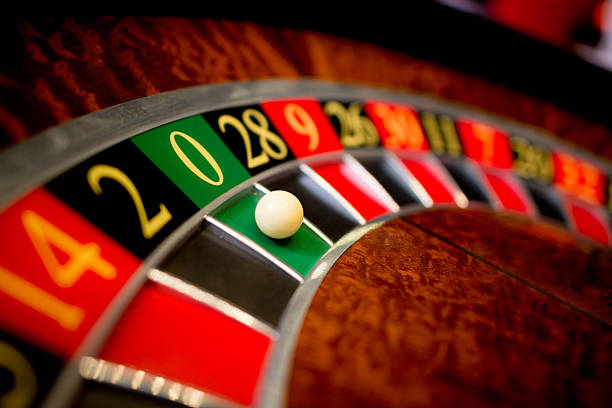
In contrast, games like roulette or slots are primarily luck-based, meaning the player’s skill does not influence the outcome. This distinction is crucial, as it shapes how individuals approach their betting. Knowing when to rely on skill and when to accept outcomes as purely chance helps streamline one’s gambling philosophy and expectations. Embracing this understanding can foster a more balanced approach to gambling, reducing the likelihood of frustration when outcomes are not favorable.
Ultimately, understanding the balance between luck and skill can lead to a more enjoyable gambling experience. Players who respect this balance are less likely to engage in reckless behavior, as they recognize the inherent unpredictability of games. By cultivating realistic perspectives on winning and losing, gamblers can enhance their enjoyment while minimizing the potential for disappointment. Acknowledging that both elements are at play can also prompt players to appreciate the nuances of different games, leading to a richer and more informed gambling experience.
Your Trusted Resource for Responsible Gambling
In a world rife with misinformation surrounding casino gambling, it’s essential to have a reliable source of information. Our website aims to be a beacon of truth, providing resources, advice, and insights for both novice and experienced gamblers alike. We understand that education is the key to enjoying gambling responsibly, and our articles are designed to debunk myths while promoting informed decision-making. By offering accurate information, we can help players navigate the complexities of gambling with confidence.
We cover a range of topics—from understanding various games and their odds to recognizing the signs of gambling addiction and how to seek help. The objective is to equip individuals with knowledge that empowers them to engage in gambling as a fun, entertaining activity rather than a financial obligation. Our commitment to responsible gambling is reflected in all aspects of our content, ensuring that players have access to the information they need to make informed choices.
Furthermore, we encourage open dialogue about gambling experiences and foster a community where individuals can share their insights and support one another. By providing accurate information and promoting responsible gambling practices, we hope to dispel the myths that often accompany this form of entertainment, paving the way for a healthier relationship with gambling. Our goal is to create a safer environment for all players, ensuring that the focus remains on enjoyment and responsible participation.
